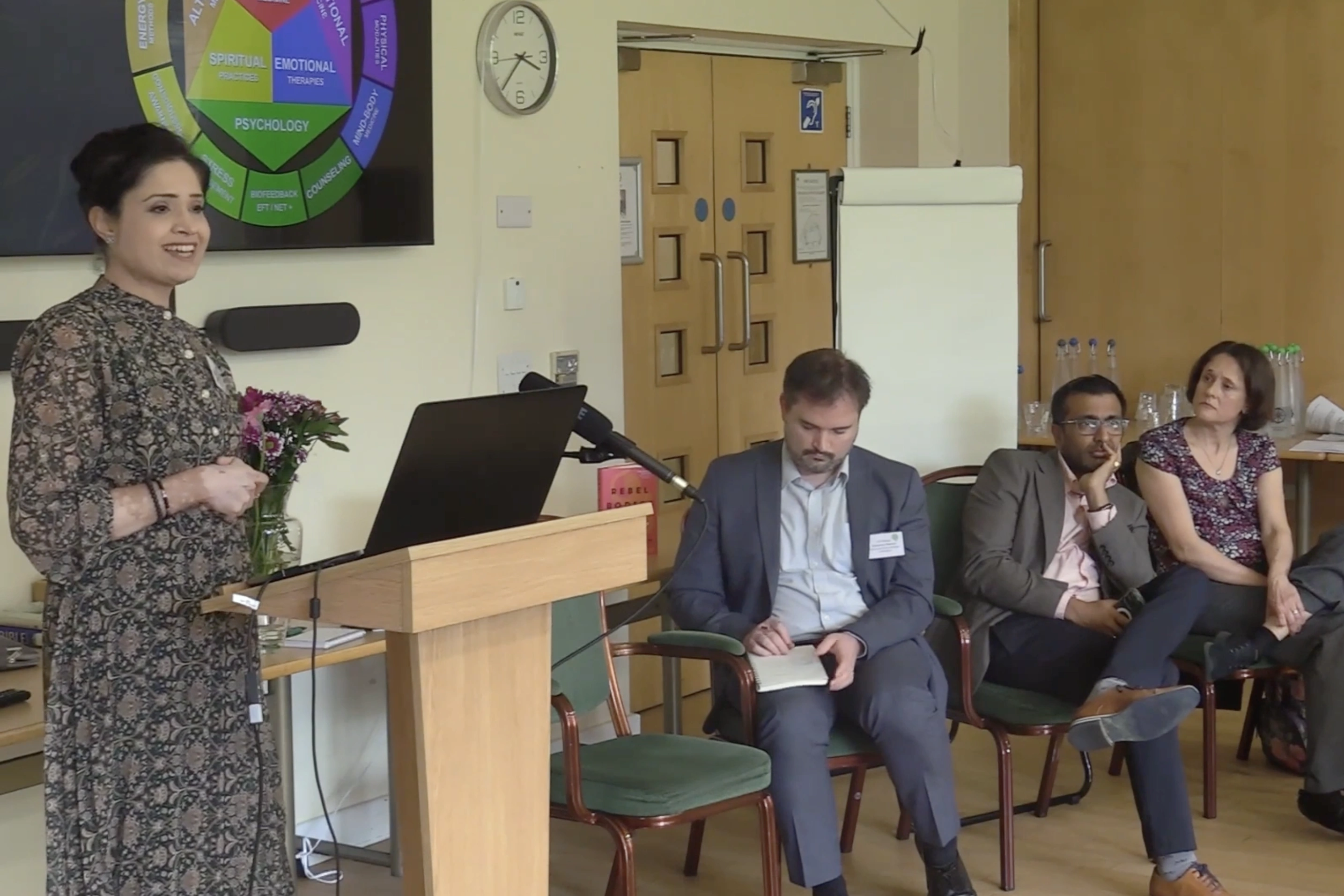
This expert panel roundtable brings together Professor John Lambert, consultant in infectious diseases and one of the UK and Ireland’s most prominent voices on chronic Lyme disease; Professor Leona Gilbert, a molecular biologist, tick-borne disease researcher and founder and CEO of the Finnish biotech Tezted; Dr Minha; and researcher Kunal Garg, to discuss their collaborative research into Lyme disease and its coinfections, the other tick-borne infections that often travel alongside it.
The discussion centres on real-world patient data, the same work the panel went on to publish. In their 2024 paper in the journal Microorganisms, “Scrutinizing Clinical Biomarkers in a Large Cohort of Patients with Lyme Disease and Other Tick-Borne Infections”, the team examined immune markers including CD3, CD4, CD8, CD57 and CD19 lymphocytes alongside inflammatory and metabolic biomarkers, building an evidence base for how these often-contested infections actually present in patients.
Much of the data came from a large Irish patient cohort the group built together. Professor Lambert, among the very few infectious-disease specialists in Ireland willing to offer longer courses of treatment for late or missed Lyme, described how patients are routinely failed by testing that assumes a tell-tale bullseye rash or a remembered tick bite, and how whole families of coinfections go unlooked-for. The panel’s argument was not that Lyme explains everything, but that rigorous biomarker data can give a diagnosis, and a path forward, to patients who have been dismissed as “medically unexplained”.
Lyme disease and its coinfections sit squarely within the territory Curaidh Clinic knows well: complex, frequently missed conditions that leave patients moving from clinician to clinician in search of answers. Bringing rigorous, published research to bear on that uncertainty, rather than leaving patients to anecdote, is exactly the standard the clinic works to.
Hosted by the Academy of Nutritional Medicine (AONM). This work continues: read about Dr Minha at the ILADS European Scientific Conference.