Navigating Medically Unexplained Symptoms at the RSM's 44th GP & Primary Care Update
Dr Minha spoke at the Royal Society of Medicine’s 44th GP & Primary Care Update, on medically unexplained symptoms in primary care.
When Dr Minha spoke at the Royal Society of Medicine’s 44th Annual General Practice and Primary Care Update in September 2025, she was speaking at one of the oldest and largest medical institutions in the country. The Royal Society of Medicine traces its origins to 1805 and today counts around 35,000 members across 58 specialty sections, hosting some 400 events a year from its home at 1 Wimpole Street in London. For more than two centuries it has been a place where clinicians come to learn from one another, and its GP and Primary Care Update is among the calendar’s most established gatherings for family doctors.
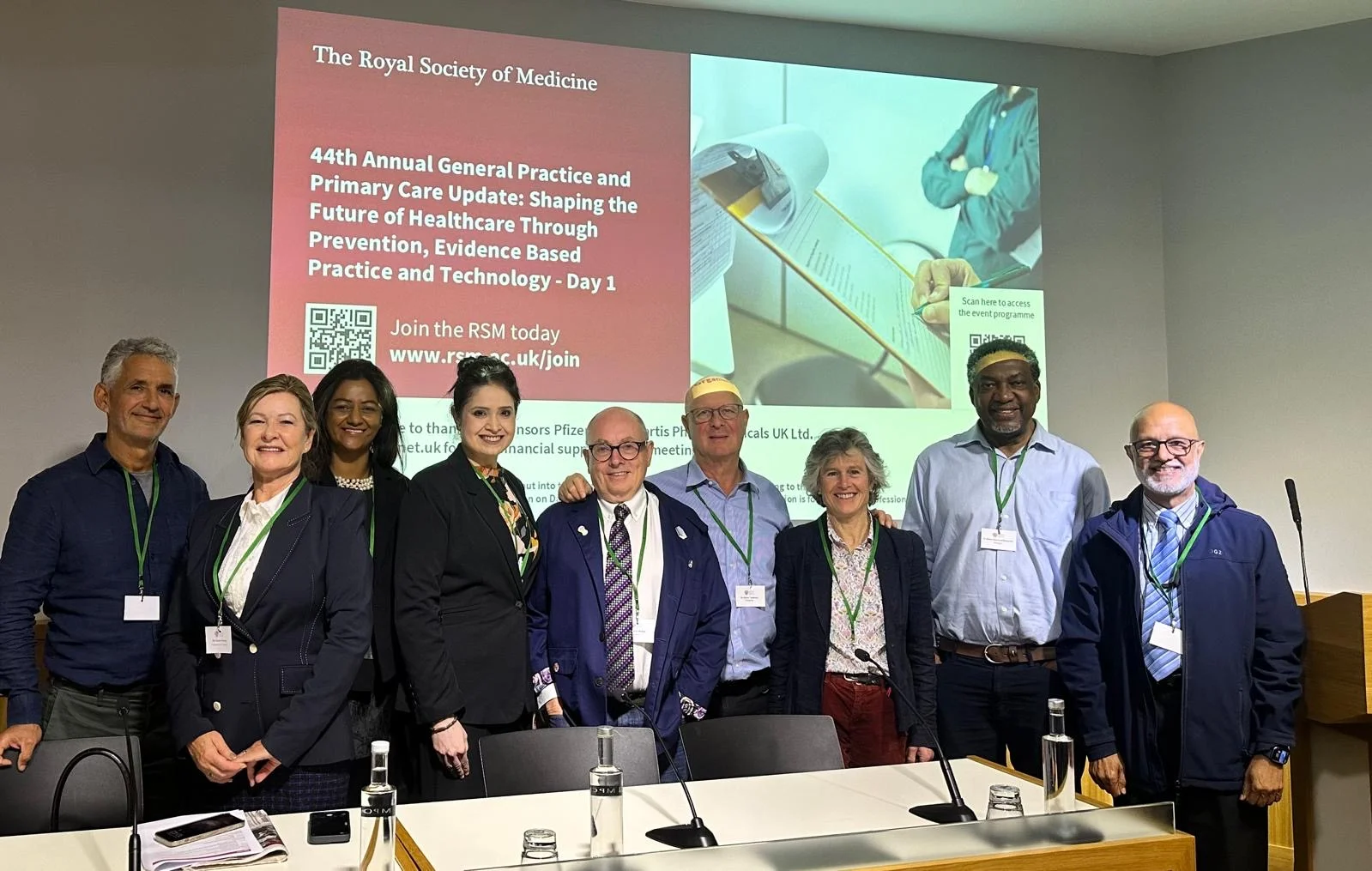
Held over three days from 24 to 26 September 2025 under the theme “Shaping the Future of Healthcare Through Prevention, Evidence-Based Practice and Technology,” the meeting set out to equip GPs and primary care professionals with the latest across an unusually broad sweep of practice, population and mental health, dermatology, musculoskeletal and cardiovascular care, minor surgery, women’s health and long COVID, alongside the fast-arriving world of AI tools, remote monitoring and digital diagnosis. Among the headline speakers was Professor Tim Spector, the epidemiologist and co-founder of the ZOE health study.
Dr Minha spoke in a joint session alongside Dr Adrian Tookman and Dr Steven Walker of the Forgotten Patients, Overlooked Diseases charity (FPOD), with a talk titled “Navigating Medically Unexplained Symptoms in Primary Care.” It is hard to think of a subject more fitting for a room full of GPs. Medically unexplained symptoms are among the most common presentations in general practice, and among the most difficult, patients who accumulate normal test results and referrals while their lives narrow around symptoms no one has been able to name.
Her message was one of possibility rather than resignation: these patients are not truly unexplainable, and a structured, integrative assessment can change the course of their care. Conditions such as mast cell activation syndrome, in which the body’s mast cells release their chemical mediators inappropriately, producing a bewildering range of symptoms across many systems at once, are frequently overlooked for years, precisely the kind of diagnosis a more joined-up approach can bring to the surface. And the ripple effect was concrete. A month after the talk, a patient came to Dr Minha’s clinic in Dundee having presented the same debilitating symptoms to her GP for three years without a diagnosis. Dr Minha identified mast cell activation syndrome and sent a short explanatory email, and the GP, who had independently watched this very talk online from Scotland, immediately recognised the picture and adjusted the care plan. Six months on, a patient who had been in and out of A&E and close to losing her job to sickness absence has not needed emergency care once, and is back in work, after a single consultation in four months.
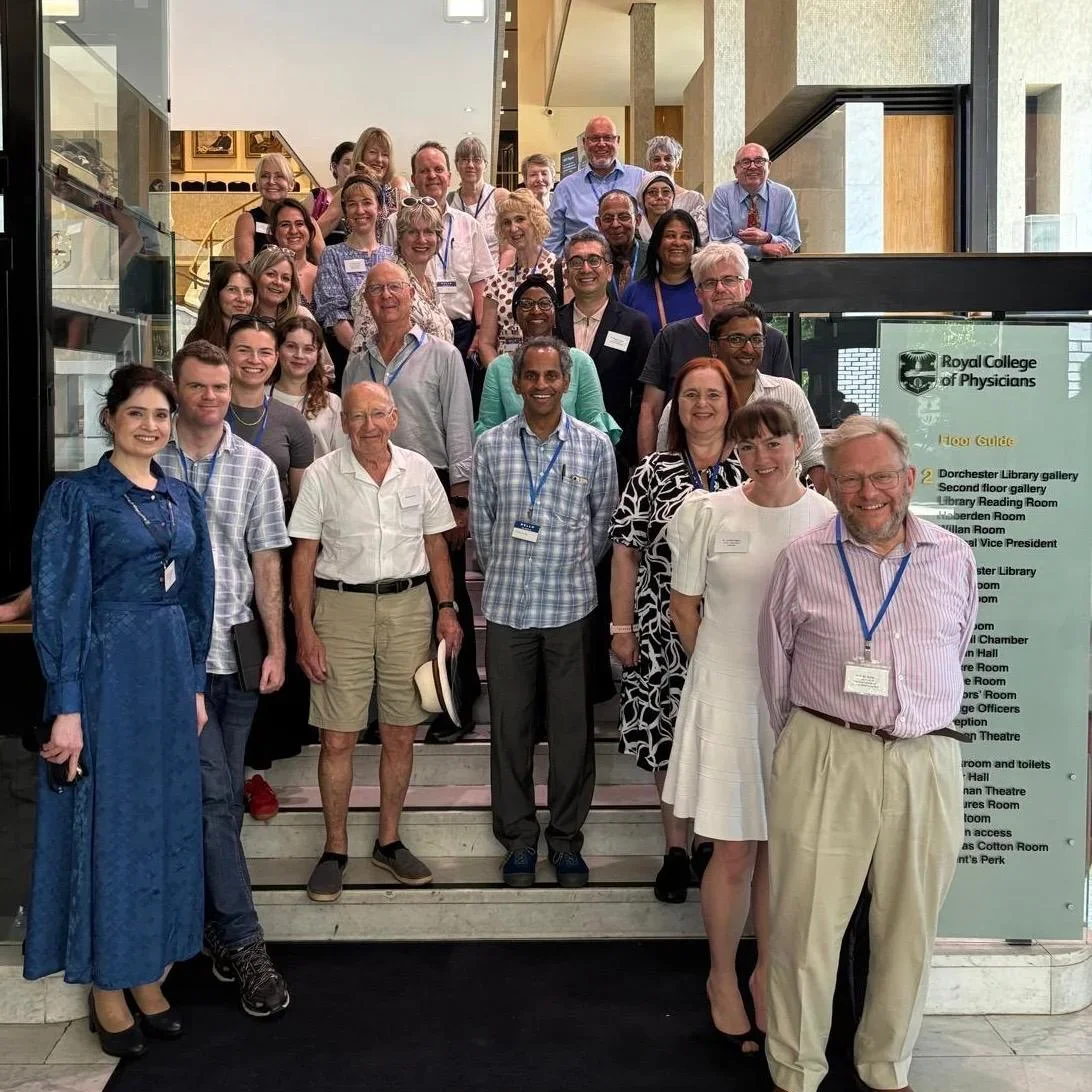
For Curaidh Clinic, this is not a peripheral interest but the heart of the work: complex, overlooked and unexplained conditions are exactly what the clinic was built to take seriously. Dr Minha’s talk was one chapter in an ongoing partnership with FPOD, spanning conferences at the Royal Society of Medicine and the Royal College of Physicians, through which she gives her time pro bono to put forgotten patients back at the centre of the conversation.