
Advancing Integrative Medicine for Medically Unexplained Symptoms
Dr Minha joined Royal Society of Medicine experts to advance integrative care for medically unexplained symptoms and other overlooked conditions.
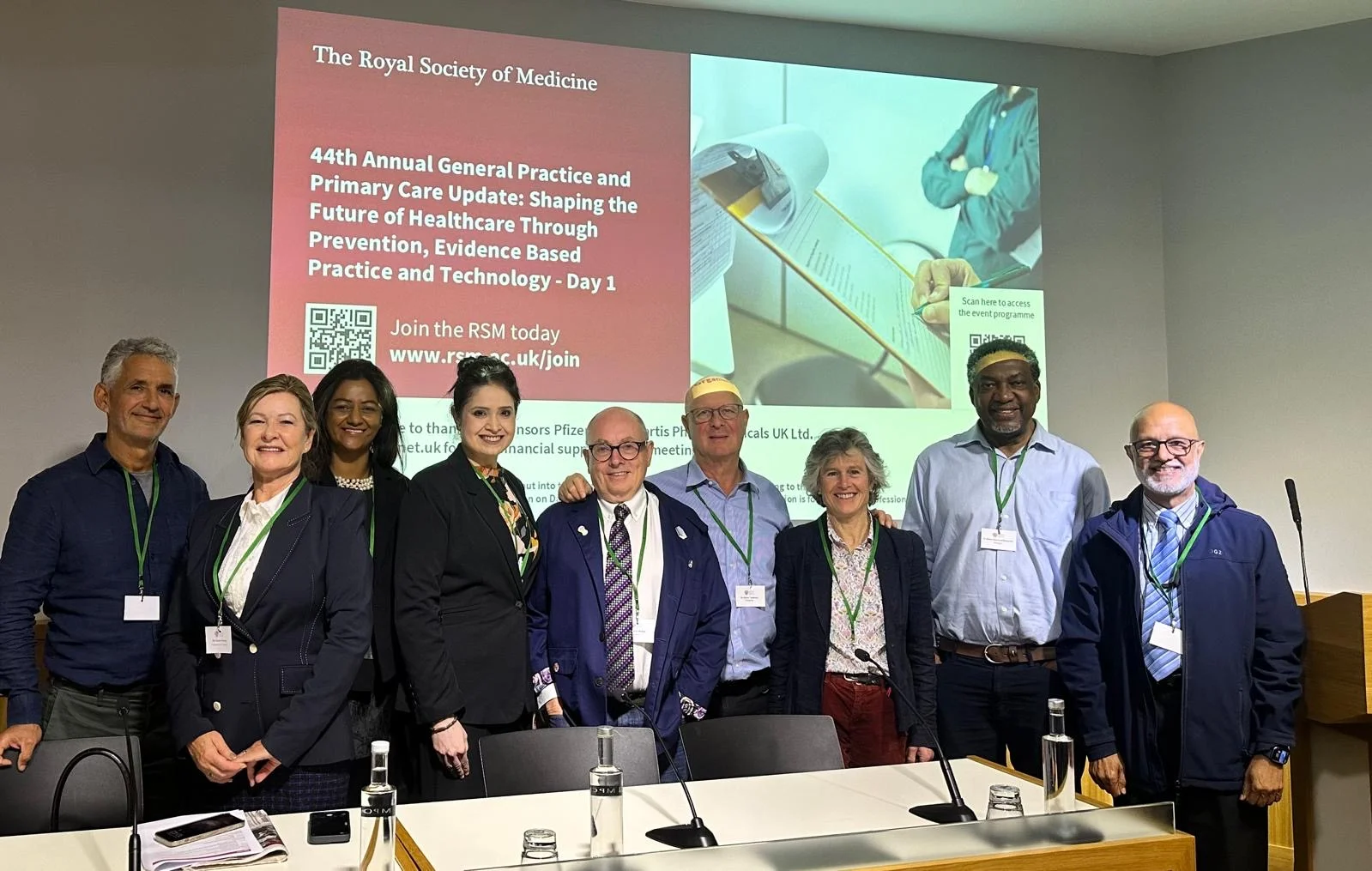
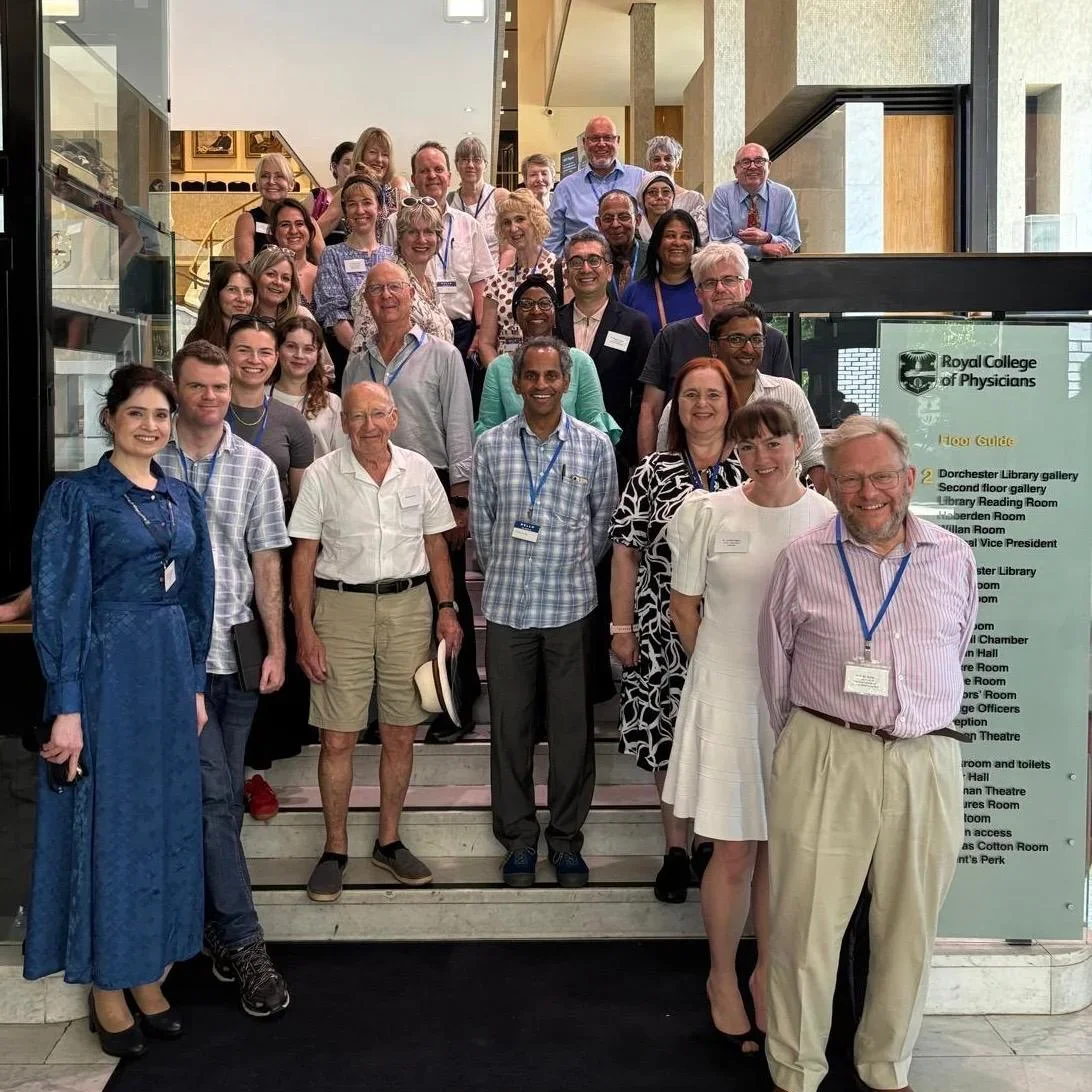
In May 2024, Dr Minha presented at a multidisciplinary conference on Medically Unexplained Symptoms (MUS), held at the Royal Foundation of St Katharine in London and led by senior figures from the Royal Society of Medicine’s GP and Primary Care Section in partnership with the Forgotten Patients, Overlooked Diseases charity (FPOD). The event brought together GPs, allied health professionals, academics and specialists from cardiology, rheumatology, pain management, psychology and emergency medicine, a deliberately broad room for a deliberately broad problem.

Medically unexplained symptoms are among the most common presentations in general practice, and among the most poorly served, patients who accumulate normal test results and referrals while their lives narrow around symptoms no one can name. The conference set out to break that cycle of tests, referrals and unsuccessful treatments, and to explore genuinely supportive, integrative approaches to care.
Dr Minha’s own talk, “Supportive therapies, innovative approaches and thinking out of the box,” made exactly that case. You can watch it in our media library. She co-presented alongside Dr Francis Kynaston-Pearson, consultant rheumatologist, and Dr Sanjay Gupta, consultant cardiologist at York Teaching Hospitals, delivering insights on patient-centred care and thinking beyond conventional treatment pathways.
The event underlined the need for better care pathways for MUS patients. Special thanks were extended to Dr Jay Verma, Jeshni Amblum-Almér and Dr Adrian Tookman for chairing the day and fostering a genuinely collaborative exchange of ideas.
Curaidh Clinic remains dedicated to advancing integrative medicine through research, education and multidisciplinary collaboration, ensuring better support for patients with the complex, and often misunderstood, conditions that mainstream services find hardest to reach.